Sourcing Guide
Car Boot Sale Fabric Sourcing: How to Find Hidden Gems
The strategy for hunting fabric at UK car boots. What to check, what questions to ask, and how to negotiate without being awkward about it.
Why Car Boots Are Treasure Troves
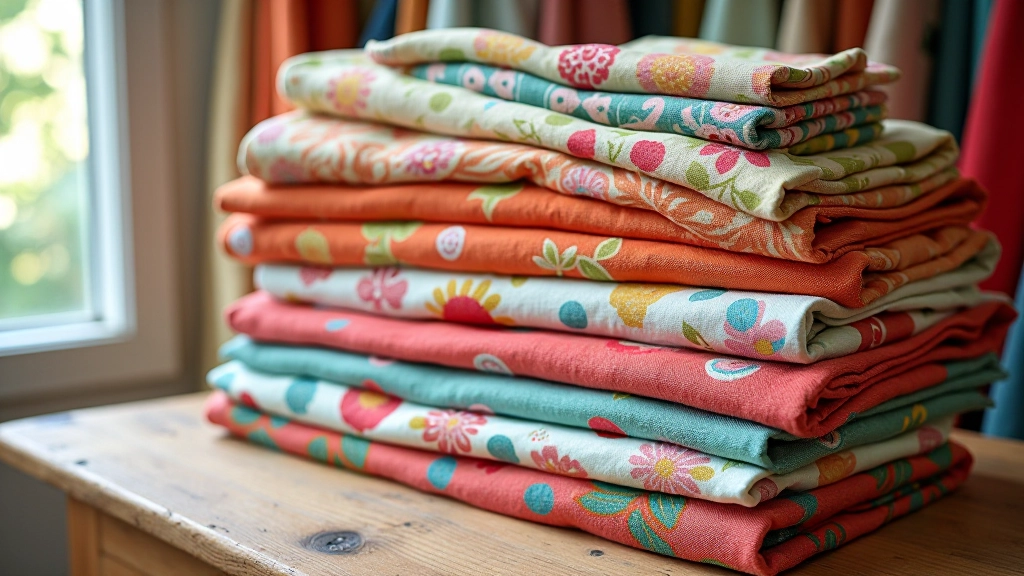
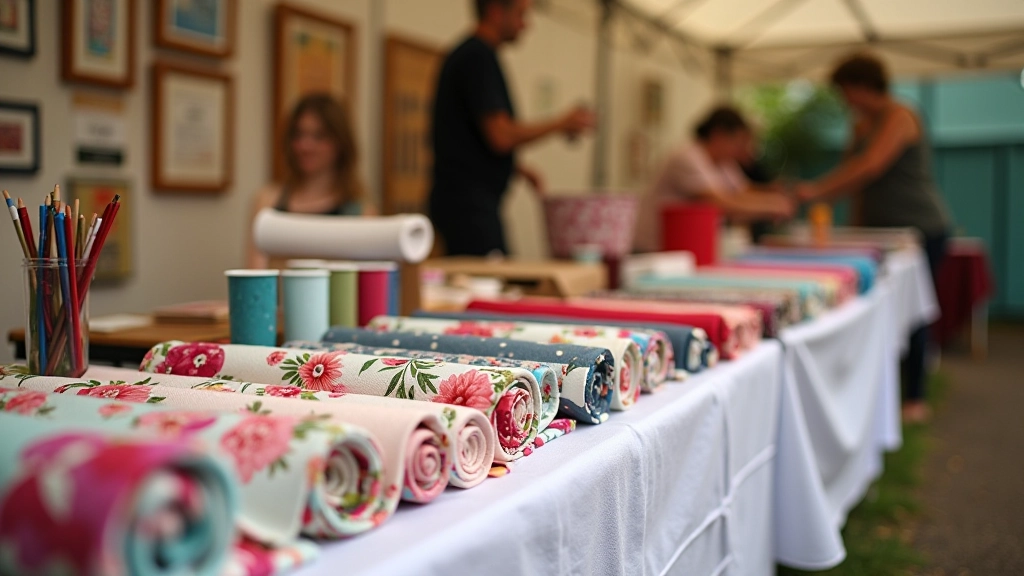
Car boot sales are absolutely brilliant for fabric hunting. You'll find vintage cotton prints, linen, wool — even designer remnants sometimes. But here's the thing: it's not just about luck. There's a real system to finding quality fabric without wasting three hours sorting through boxes of old bedsheets.
We've spent years at UK car boots, and we've learned what actually works. The best finds aren't always obvious. You've got to know what to look for, how to spot quality quickly, and how to chat with sellers without looking like you're trying to fleece them. That's exactly what we're covering here.
Getting Ready: Before You Go
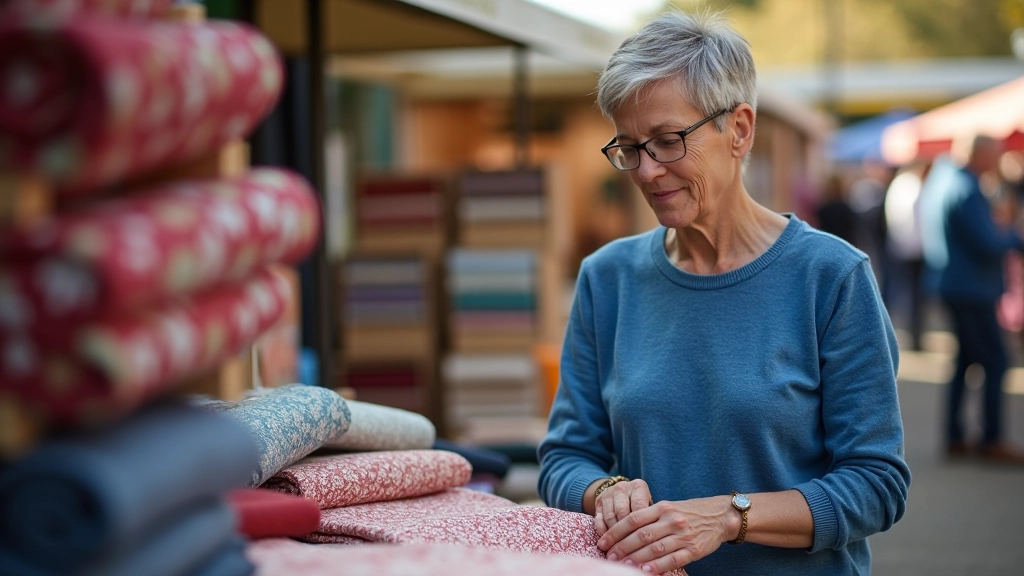
Preparation makes the difference. You can't just roll up and hope for the best. We always arrive early — and we mean early. Most car boots open at 8 or 9am, but serious fabric hunters show up around 7:30. The first hour is when you'll find the best pieces before casual shoppers pick through everything.
What to Bring
- Cash in small denominations (£1-5 notes work best)
- A soft measuring tape or ruler
- A magnifying glass for checking weave quality
- A tote bag for carrying finds
- Phone photos of recent projects (helps sellers understand your taste)
Don't go with a huge budget. You'll overspend. Set a limit — maybe £20-30 per outing — and stick to it. That forces you to be selective, which actually leads to better finds. You're thinking about what you really want, not just grabbing anything that looks okay.

What to Actually Look For
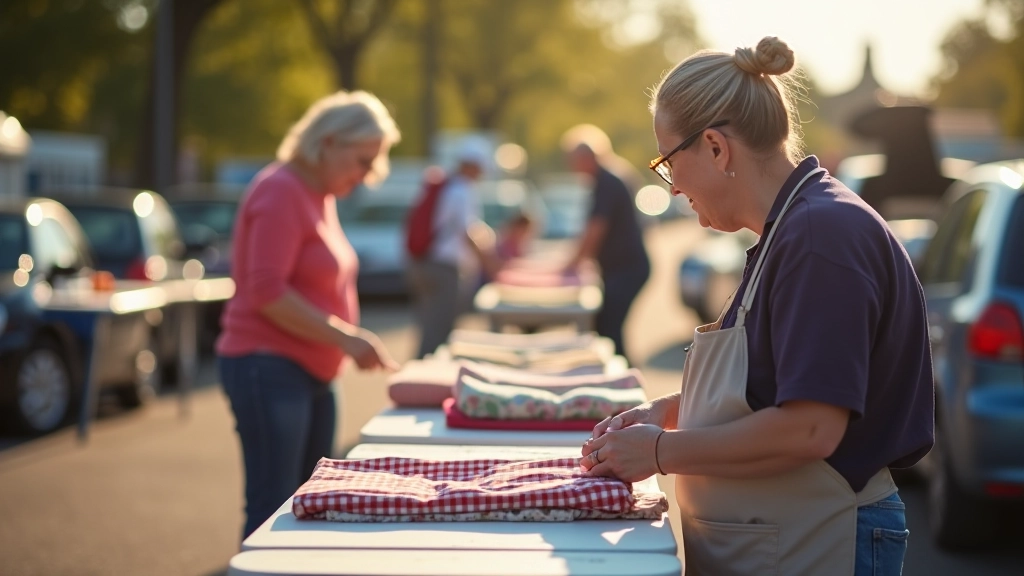
Quality fabric doesn't announce itself. You've got to know what to touch and what to skip. Start with the weave. Hold the fabric up to light and look at the structure. Tight, even weave is your friend. Loose, droopy weave means it'll fall apart after washing.
Cotton is brilliant. Look for dense cotton prints — florals, geometric patterns, vintage designs. Weight matters. Good weight feels substantial in your hand, not flimsy. Linen's wonderful too if it's not too creased. And vintage wool? Incredible. Just check for moths first.
Fabric Red Flags
Stains you can't identify. Holes that aren't easily fixable. Fading in only one area (sun damage). Musty smell that doesn't wash out. Pilling all over. If you're unsure, walk past it.
Asking Questions & Negotiating
This is where most people feel awkward. But here's the truth: car boot sellers expect questions. They're used to it. Don't apologize for asking. Just be friendly and genuinely interested.
Ask where the fabric came from. If they say "my mum's stash," that's usually a good sign — older stashes tend to be quality. Ask about fiber content if there's no label. Ask if they know anything about the print (sometimes they'll tell you it's a vintage Liberty print or vintage Barkcloth, which is gold). Most sellers appreciate that you care.
On price: don't start by offering half. That's rude. If something's marked £3 and it's clearly worth more, offer £2.50 with genuine respect. Say something like "This is lovely — would you do £2.50 for it?" Most sellers will either say yes or counter at £2.75. They're not trying to get rich; they just want the stuff gone. And if they say no, accept it gracefully. There's always another stall.


After You Get Home
Don't just throw your finds in a cupboard. Car boot fabric needs care. Wash everything in cool water first — gentle cycle if it's delicate. This removes any dust, potential moths, and old storage smells. Dry it flat if possible. Iron gently once it's dry.
Store it properly. Rolled is better than folded for heavy fabrics like linen. Keep it somewhere cool and dry — not a hot attic or damp basement. If you're storing for months, wrap it in cotton muslin or plain paper. Plastic traps moisture. Label what you've got: the fiber content, approximate yardage, and when you bought it. Future you will be grateful.
Take photos of your finds. Create a simple spreadsheet or Pinterest board. Sounds excessive, but when you're thinking about a project six months later, you'll know exactly what you've got and where it is. Trust us on this one.
Important Note
This guide is informational and based on practical experience. Car boot sale availability, pricing, and inventory varies significantly by location and season. Always inspect fabrics thoroughly before purchasing, and be aware that vintage textiles may have hidden issues like fading, weakness, or staining. Prices quoted are approximate and based on 2026 UK car boot markets. Always test fabrics on your intended project before committing to large purchases.
Finding Your Fabric Community
Car boot hunting isn't just about the fabric. It's about the ritual, the discovery, and honestly, the people you meet. You'll find other sewers at these sales. You'll share tips, recommend stalls, celebrate finds together. Some of our best fabric friends came from early morning car boot conversations.
Start with your local boot sales. Go regularly. Learn which sellers have the best stock. Come back when they're there. Build relationships. After a few visits, you'll know which stalls to hit first, which sellers understand quality, and where the real gems hide. That's when car boot hunting stops being random and becomes a proper skill.

Related Articles