Upcycling Charity Shop Finds: Where to Look and What Works
Charity shops and car boots are goldmines for upcycling fabric. But not everything that looks interesting actually works. We've learned this the hard way — some pieces are perfect for transforming into cushions or bags, while others will waste your time and materials. Here's what we actually look for.
Why Charity Shops Are Your Best Source
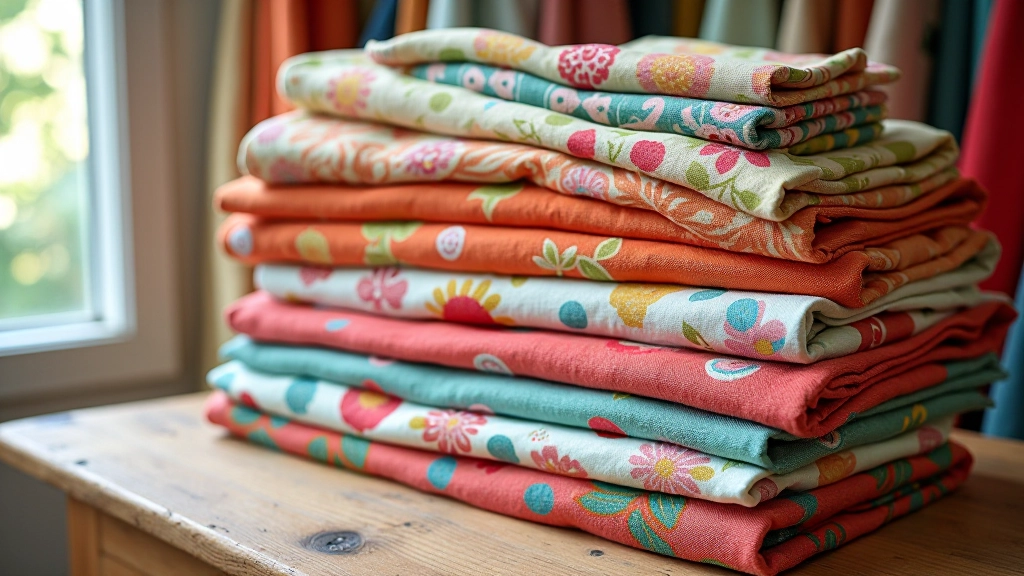
You're not paying premium prices. That's the obvious win. But there's more — vintage fabrics often have a character you simply can't find in new cloth. Patterns from the 70s, densely woven linens from the 80s, cotton prints that have softened perfectly with age. We've built entire cushion collections around pieces that cost 50p.
The trick is knowing what to grab and what to leave. You'll waste time and money if you pick up everything that looks remotely interesting. We've learned to be selective — it takes practice, but once you understand the basics, you'll spot good fabric in seconds.
Cost Advantage
Premium vintage fabric for £1-3 instead of £10-20 per meter
Character & Quality
Unique patterns and weaves you won't find in modern fabric shops
Sustainable Sourcing
Giving old textiles new life instead of letting them end up in landfill
What to Look For: Fabric Quality Signals
The first thing we check is weight and density. Heavy fabric is usually good fabric. Hold it up to the light — if you can see light passing through easily, it's probably too thin for anything substantial. We're looking for pieces that feel solid in your hand.
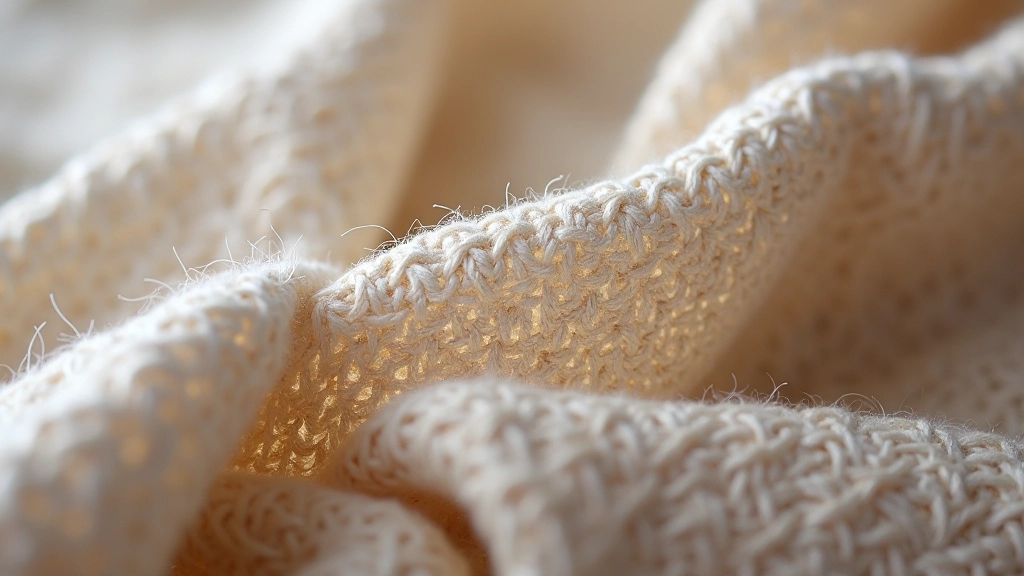
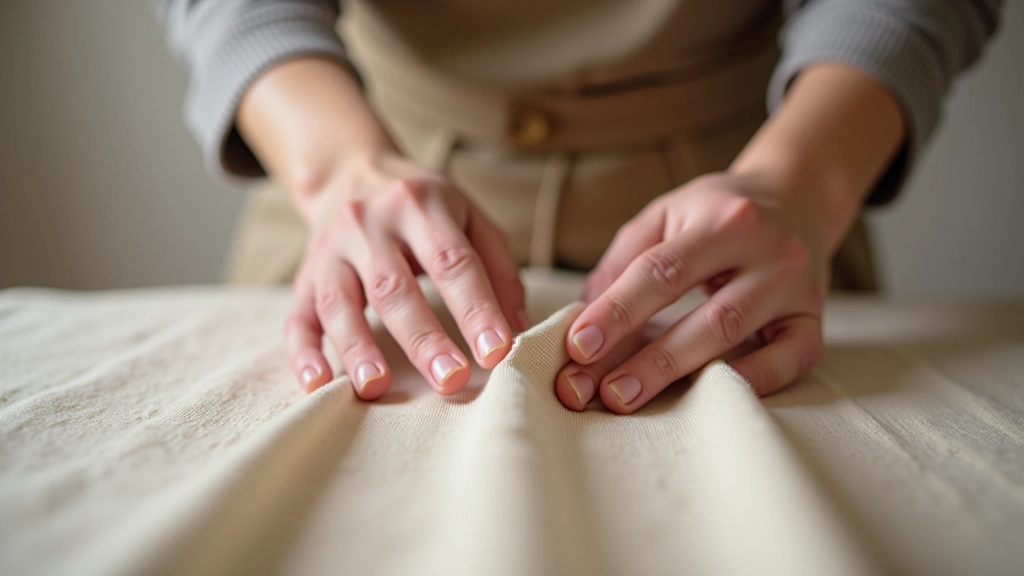
Check the weave closely. A tight weave holds together better and wears longer. Loose weaves unravel when you cut them. Run your finger across the fabric — does it feel smooth and structured, or flimsy and stretchy? The good stuff feels intentional. It was made to last.
Quick Quality Check
- Hold to light — fabric shouldn't be see-through
- Feel the weight — should have substance
- Check for stains or damage — avoid if major
- Look at seams if it's clothing — tightly stitched is good
- Test the stretch — should return to shape
- Smell test — musty fabrics are problematic
Cotton and linen are your friends. We avoid synthetic blends with high polyester content — they're harder to work with and age poorly. Natural fibres give you control. You know how they'll behave when you wash them, cut them, and sew them. That predictability matters when you're investing your time.
Where to Actually Find the Good Stuff
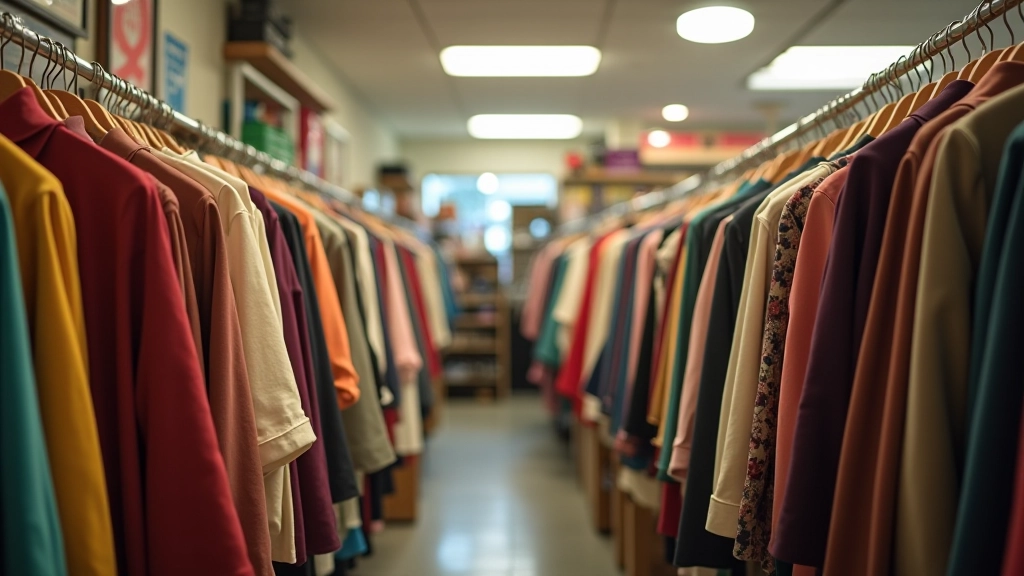
Not all charity shops are equal. The big chains move stock too quickly — everything's picked over. The small independent shops run by textile enthusiasts? That's where you'll find carefully curated pieces. Staff there actually know what they're selling.
Go on weekday mornings. Early weekdays mean fresh stock hasn't been rifled through yet. Saturdays are chaos — everything good gets snapped up within hours. We typically visit the same 3-4 shops on Tuesday or Wednesday mornings. It's become routine.
Best Places to Hunt
Oxfam shops
Usually better curated. Slightly higher prices but genuinely good pieces
Independent charity shops
Often run by people who care about textiles. Ask staff what came in recently
Car boot sales
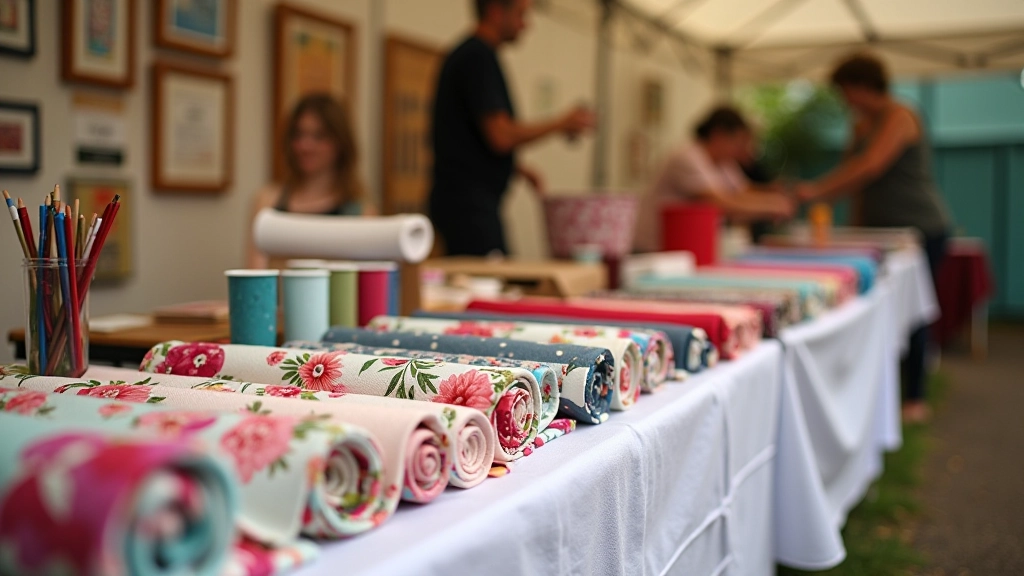
Inconsistent but brilliant finds. Sellers often price vintage fabric surprisingly low
Estate sales
Vintage fabric collections from homes. Often marked down at the end of the day
What Actually Works: Best Projects for Charity Shop Finds
Not every piece of fabric suits every project. We've found through trial and error what works well for upcycling. Small flaws that would ruin a dress become invisible on a cushion. Heavy wool that's too stiff for clothing becomes perfect for a tote bag.
Cushion Covers
Small stains or damage? Perfect for cushions. You need maybe 40-60cm depending on size. Works with almost any fabric type.
Bags & Totes
Sturdy vintage linen or cotton works brilliantly. Flaws can be incorporated into the design. Need 1-1.5 meters depending on bag size.
Curtains & Panels
Heavy fabric that's too thick for other projects? Curtains love it. Pattern repeats don't matter — asymmetry looks intentional.
Patchwork Quilts
Mixed prints and small flaws are features in patchwork. Collect offcuts and small pieces to build something unique.
Clothing Upcycles
Good quality vintage clothing — especially denim and linen — becomes skirts, jackets, or shirts. Need flawless fabric for this.
Scraps & Offcuts
Even tiny pieces become stuffing, appliqué details, or binding. Nothing gets wasted if you're creative.
What to Actually Avoid
We've made mistakes. Lots of them. Here's what we've learned to skip. Heavily stained fabric doesn't wash out — pre-treat test it first if you're unsure. Fabric with odours (cigarette smoke, mildew) doesn't come out completely. Don't bother unless you're desperate.
Thin, stretchy synthetics are problematic. They pill easily, they fray constantly, and they're honestly just annoying to work with. We avoid anything that feels like it might tear if you pull it hard. Pilling fabrics get worse every time you wash them — not worth the frustration.
Check for dry rot or brittleness. Really old fabric sometimes becomes fragile — it'll tear when you cut it or sew it. Hold it up to light and look closely. If it seems like it might disintegrate, leave it. You're wasting time otherwise.
About This Article
This article provides educational information about sourcing and selecting fabric from charity shops and car boot sales for upcycling projects. Fabric quality, availability, and pricing vary by location and time. Individual results will depend on your local sources and personal experience. Always inspect fabric thoroughly before purchasing, and test any cleaning methods on a hidden area first. This guide is based on practical experience and is intended to help you make informed sourcing decisions.

Keep Learning