Liberty and Laura Ashley Fabrics: Quality Home Textiles on Budget
Where to find premium British fabrics without breaking the bank. We cover both new sources and hunting for them secondhand.
The Challenge of Quality Fabrics
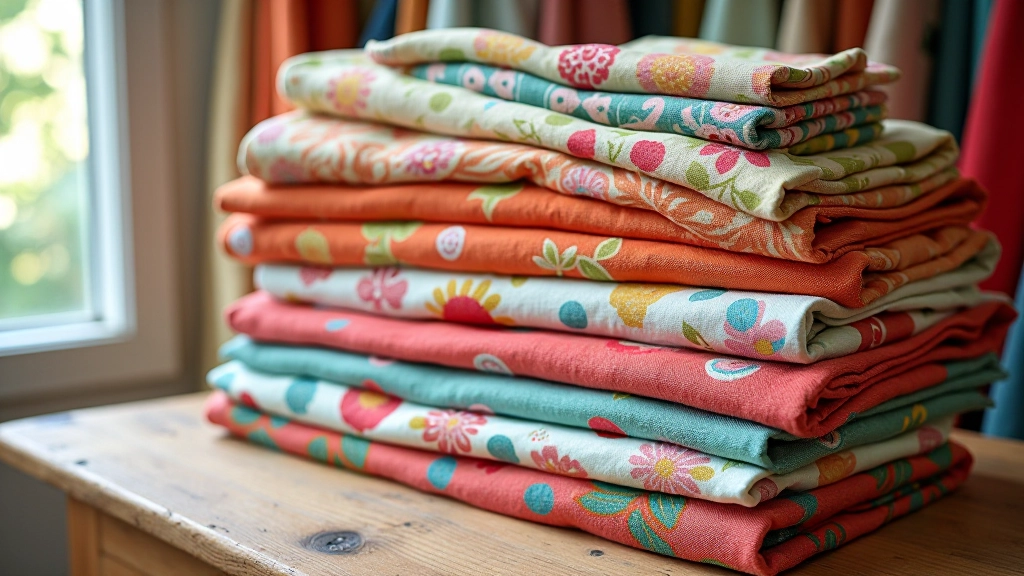
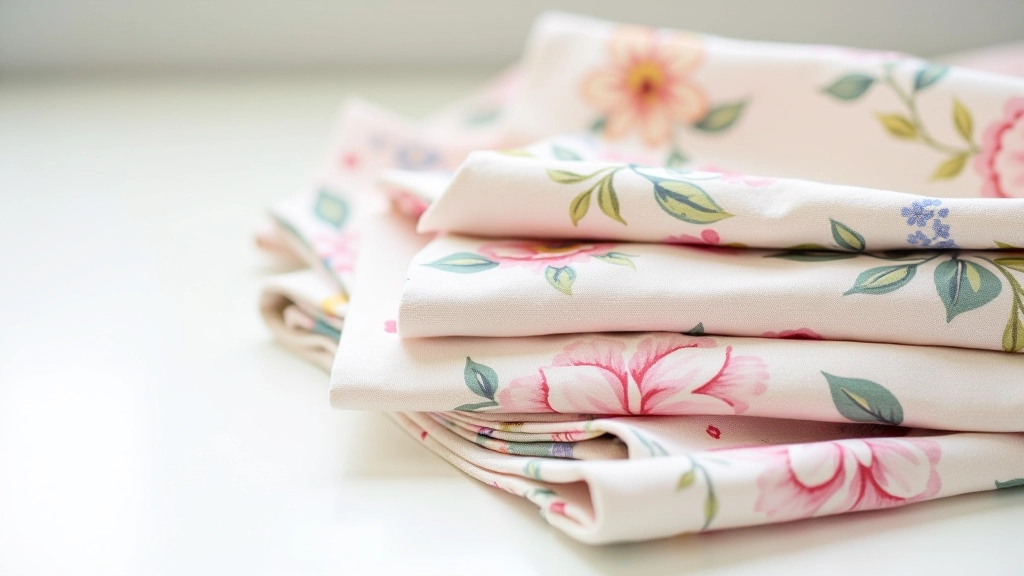
Liberty and Laura Ashley fabrics are synonymous with quality in the UK textile world. Their patterns are instantly recognisable — those intricate florals, bold geometrics, and timeless designs that elevate any home sewing project. But here's the thing: these fabrics don't come cheap when you're buying from the high street.
If you're serious about your sewing but not serious about spending £20+ per metre, there are smarter ways to source these premium textiles. We're talking about both legitimate new sources where you'll find genuine bargains and secondhand hunting strategies that actually work.
The real skill isn't finding these fabrics — it's knowing where to look and how to spot value without compromising on quality.
New Fabric Sources Worth Your Time
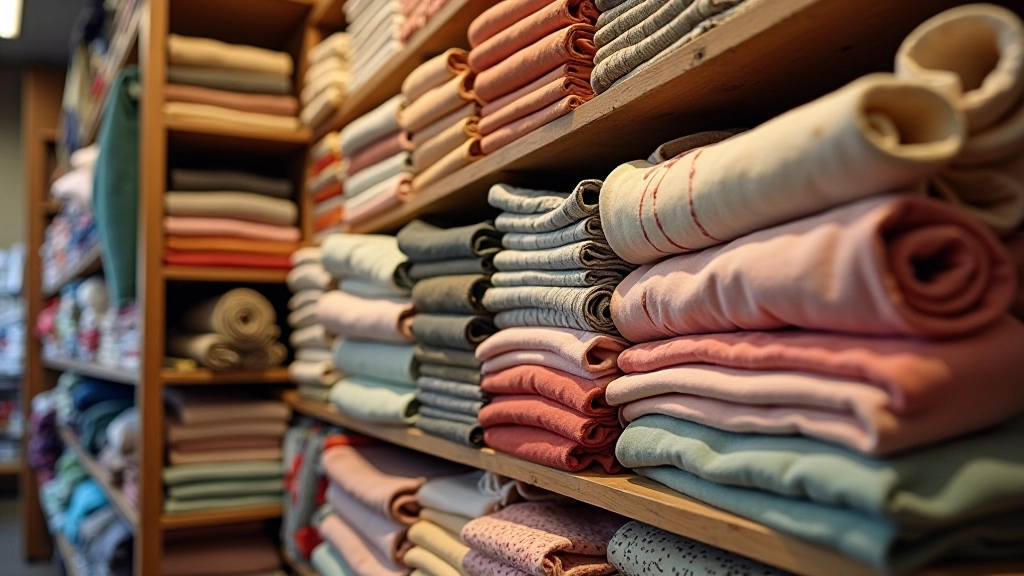
Discount retailers have completely changed the game. John Lewis clearance sections move stock constantly, and you'll occasionally find Liberty and Laura Ashley pieces at 30-40% off. It's not always reliable, but if you check regularly — especially after seasonal collections end — you can catch genuine bargains.
Then there's Dunelm. People don't always think of Dunelm for premium fabrics, but they stock both Laura Ashley and Liberty-adjacent collections at more accessible price points. Their in-store stock rotates monthly, so calling ahead or popping in during quieter times (Tuesday mornings are usually best) gives you a better chance of finding what you want.
Where to Check First
- John Lewis clearance sections and online flash sales
- Dunelm seasonal collections and outlet stock
- Online discount retailers like The Range (yes, really)
- Remnant boxes at independent fabric shops
- Liberty.co.uk sale section during seasonal clearance
Hunting Secondhand: The Real Goldmine
Charity shops are where you'll find genuine Liberty and Laura Ashley fabrics for a fraction of retail. But not all charity shops are created equal. You want to focus on shops in affluent areas where people are more likely to donate unused designer fabrics. Oxfam shops (particularly the books and music ones) often have textile sections worth exploring.
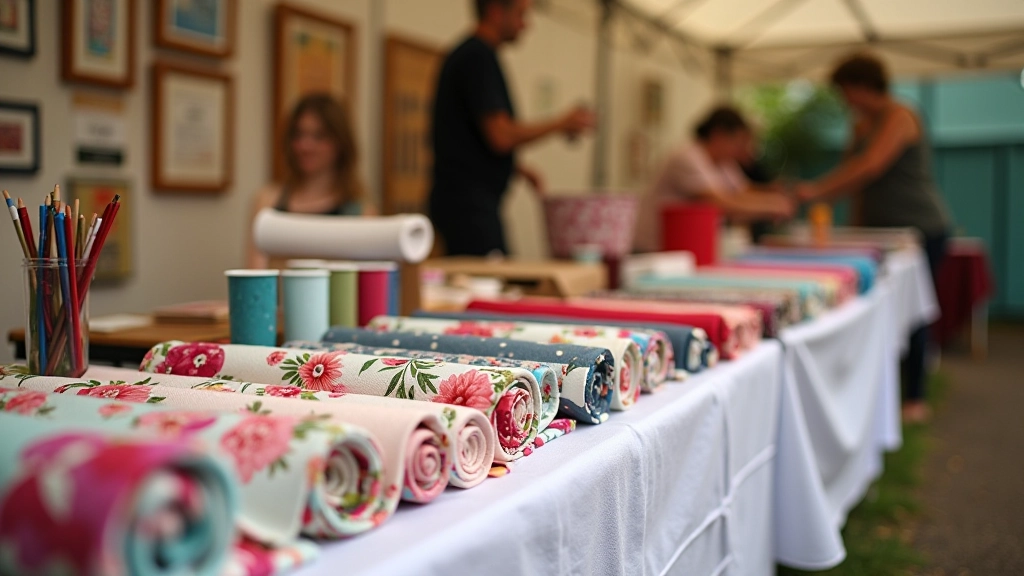
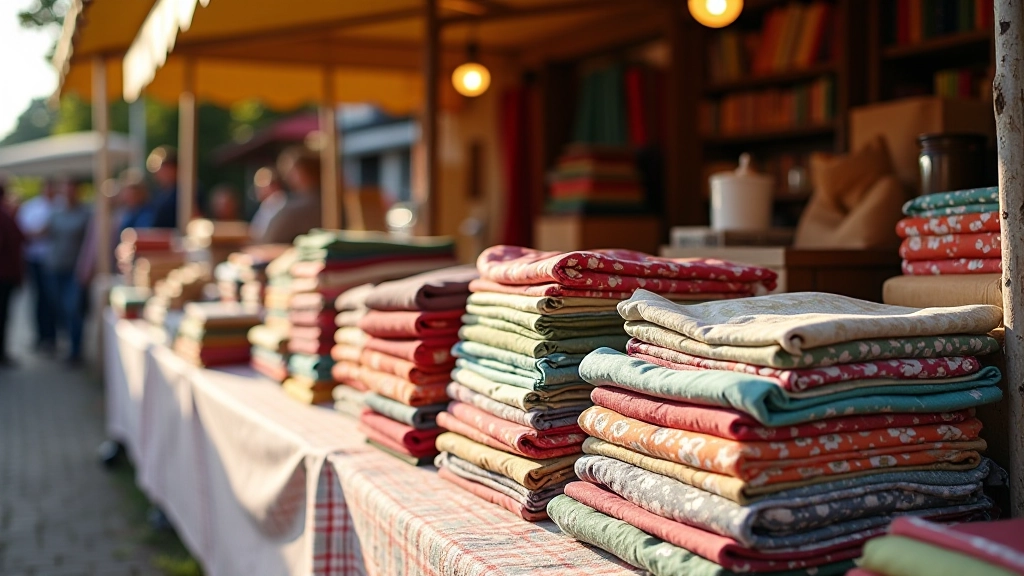
Car boot sales are even better. You're dealing with sellers who often don't know the actual value of what they're selling — they just want it gone. Come prepared with a magnifying glass (or use your phone's camera zoom) to check for flaws, and always check seams for damage before you buy. Haggling is completely normal at car boots, and if you're buying multiple pieces, sellers will usually drop their price by 20-30%.
1
Scout locations early. Check online for car boot sale dates in your region. Plan your route the night before.
2
Arrive early — the best fabrics go in the first 30 minutes. 7 AM is standard for serious hunters.
3
Inspect thoroughly. Check for stains, fading, and moth damage. Look at selvages for printing quality.
4
Negotiate with confidence. Know you're taking a chance, but that's why prices are low.
How to Spot Authentic Liberty and Laura Ashley
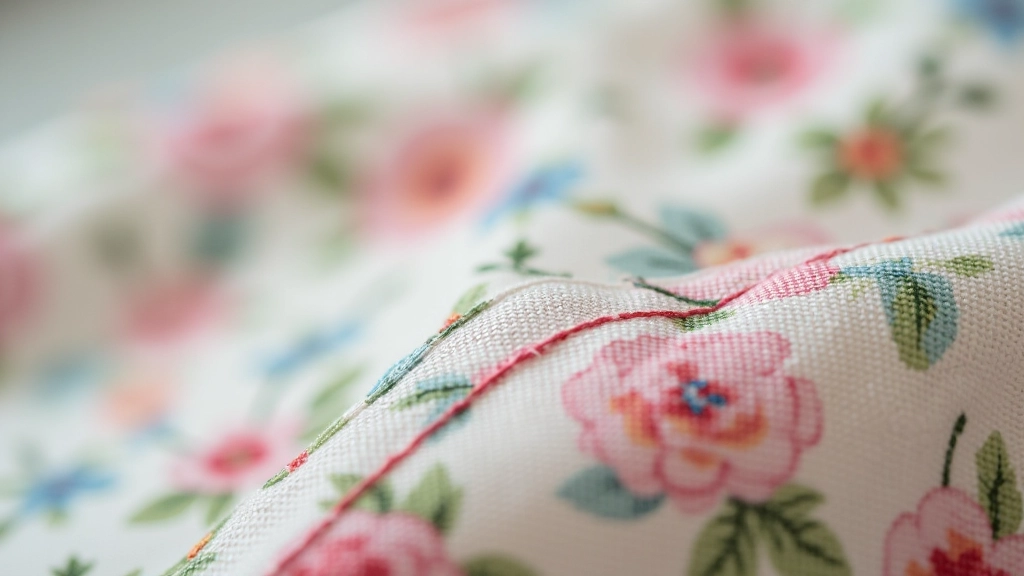
Here's where secondhand hunting gets tricky. Knockoffs exist, especially for Liberty prints. Genuine Liberty fabrics have a distinctive weight and drape — they're typically cotton or a cotton-rich blend with a slight sheen. Run your fingers across the weave. If it feels papery or plastic-like, it's not Liberty.
Check the selvage. Liberty prints have their name printed on the edge in a specific font. Laura Ashley pieces are marked clearly with their logo and pattern name. Don't rely solely on this though — I've seen reproductions that are surprisingly good. The combination of selvage marking plus fabric feel plus pattern quality is what confirms authenticity.
Red Flags When Buying Secondhand
- Uneven colour or fading on one side only (possible sun damage)
- Stiff, brittle fabric that cracks when folded (degraded fibres)
- Missing or illegible selvage information
- Musty smell that won't wash out (storage issues)
- Prices that seem too good to be true (they might be counterfeit)
Making Your Budget Work
The smartest approach is mixing. You don't need an entire project in Liberty print. Use premium fabric strategically — perhaps the main panels of a cushion cover, then coordinate with a more affordable complementary fabric for the back. This approach stretches your budget while maintaining that high-end aesthetic you're after.
Set a realistic budget per metre. At car boots, you might pay £1-3 per metre for secondhand pieces. Charity shops typically range £2-5. Discount retailers offer new fabric at £5-12 per metre when there's a sale. Premium retail is £15-25+, so you're saving considerably by shopping smart.
Join Online Communities
Facebook groups dedicated to sewing in the UK share alerts about sales, secondhand finds, and tips for specific regions. Members post photos of bargains they've spotted, which helps you prioritise where to visit.
Subscribe to Newsletters
John Lewis and Dunelm email alerts notify you of sales before they're heavily picked over. Set filters so you only see textile categories.
Build Relationships
Become a regular at local charity shops and independent fabric retailers. Staff often set aside pieces for loyal customers, especially if you're clear about what you're hunting for.
Your Next Steps
Premium fabrics don't have to mean premium prices. You've got legitimate retail options where sales happen regularly, charity shops stacked with genuine finds, and car boot sales where sellers are often happy to negotiate. The real skill is patience — not every hunting trip will yield treasure, but when you find a genuine Liberty or Laura Ashley piece for a fraction of retail, it's absolutely worth it.
Start with your local charity shops this week. Get familiar with which ones stock fabrics regularly. Then plan a car boot sale trip with a mate — it's more fun with company, and you'll spot more bargains when you're working as a team. You'll be surprised how quickly your premium fabric collection grows without the premium price tag.
Information Disclaimer
This article is provided for educational and informational purposes. Prices, availability, and store locations mentioned may vary by region and change over time. We recommend verifying current information with retailers directly. Secondhand fabric purchases carry inherent risks — always inspect items thoroughly before buying. The tips shared reflect common sewing community practices but may not apply to every situation or location.

Related Reading